Trekking

Walking the east coast: what to know first

Historic paths, no springs, patchy waymarking. Not hostile terrain, but it does not forgive improvisation.

· 8 min read

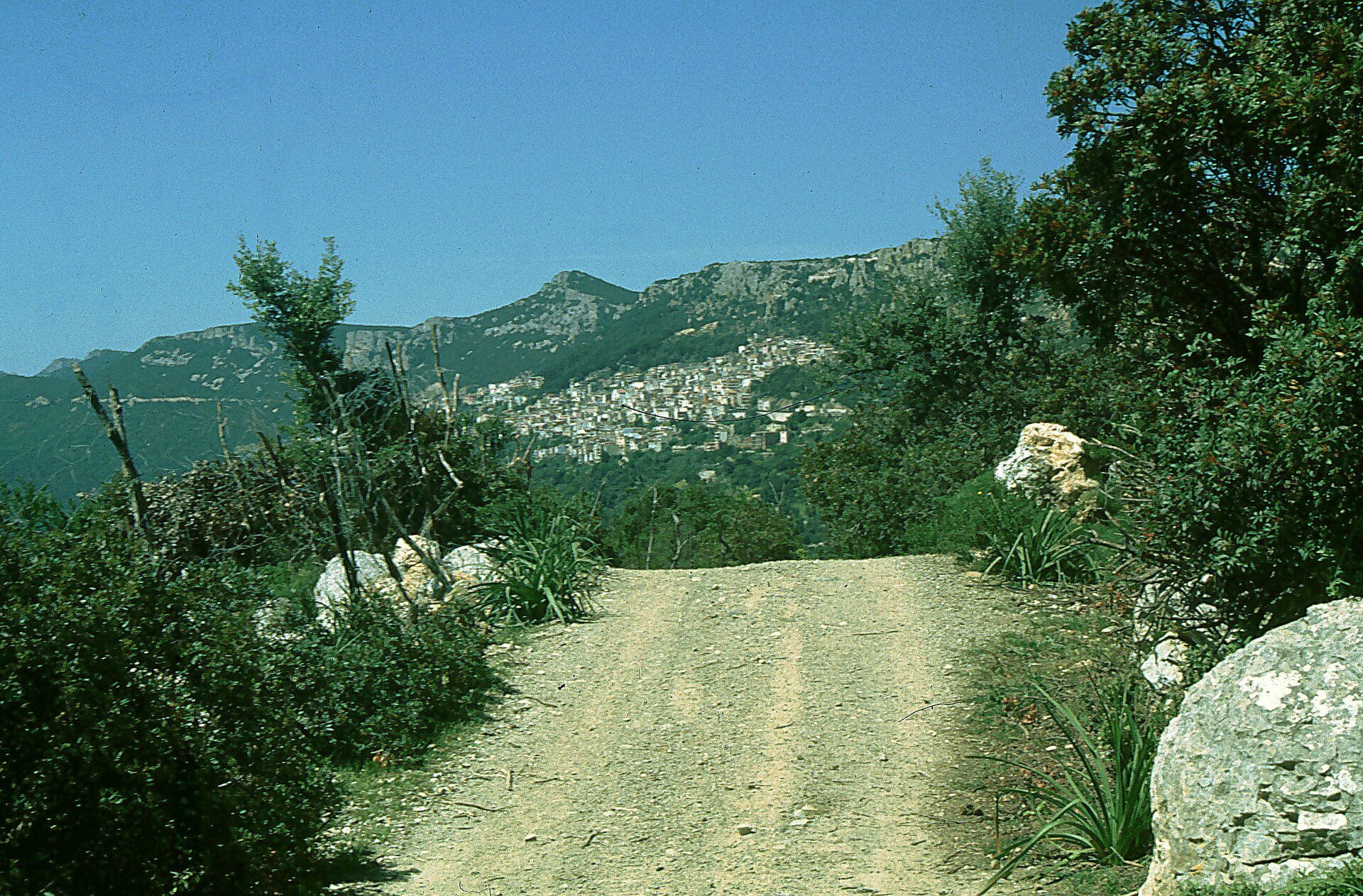
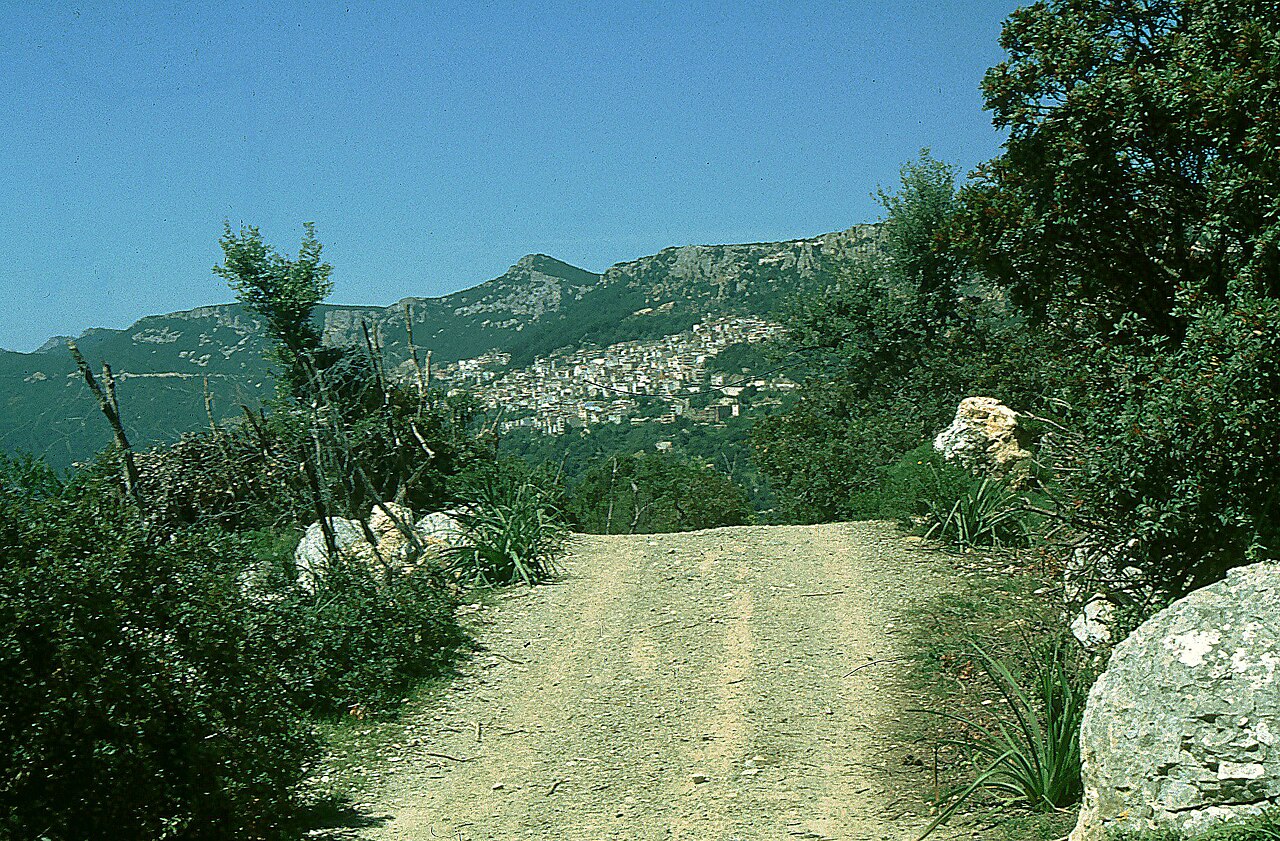
The road climbing towards Baunei

The road climbing towards Baunei — Photo: Ziegler175 · CC BY-SA 3.0 · Wikimedia Commons

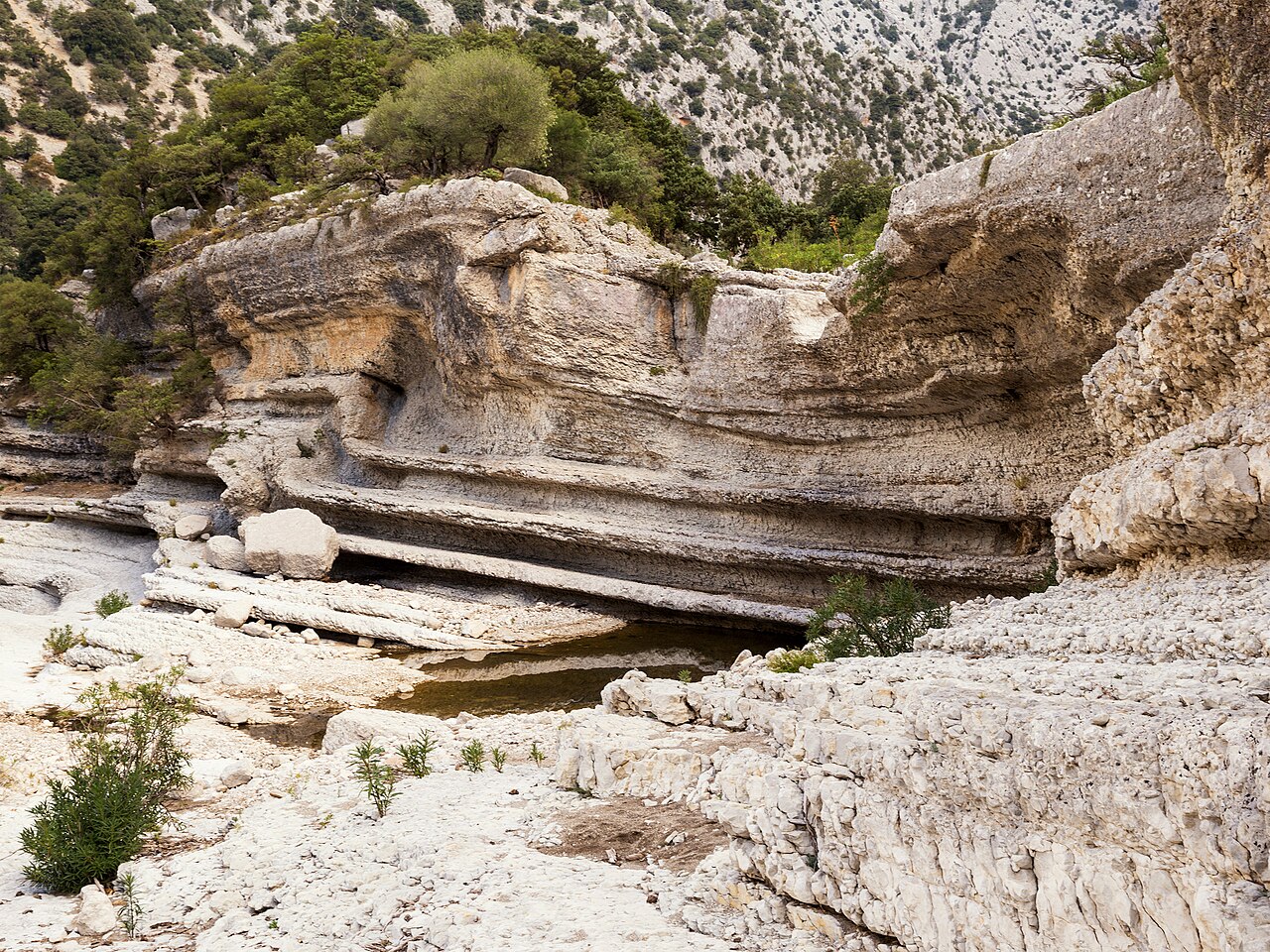
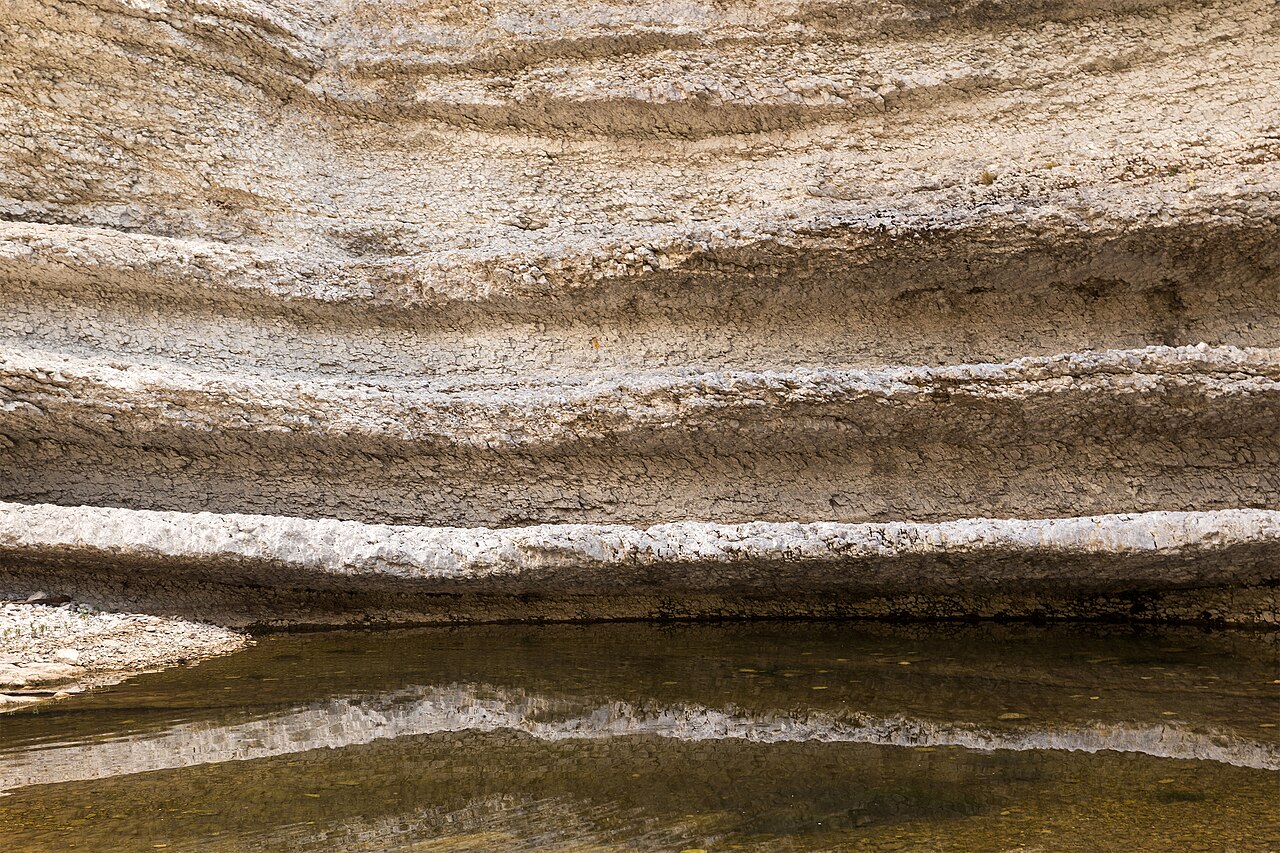
Three elements recur across every route on this coast. The first is water: there are no springs along the itineraries, and in summer consumption rises fast. The second is the ground: limestone, often polished and slippery, with exposed sections. The third is waymarking, which ranges from good to absent on the same route.

One practical consequence follows: local guides on the demanding routes are not a luxury service. They know the passages, the water situation and the escape options if something goes wrong.

For those walking unsupported, the sensible approach is to start with short panoramic routes, assess the terrain, and only then take on the descents to the coves or the inland gorges.
The essential answers

What is it?
A guide to the real conditions of walking between the Baunei coast, the Supramonte and the tacchi.
Where is it?
The Baunei coast, the Supramonte, inland Ogliastra.
When to go?
March to May and September to November. Summer only for short routes at dawn.
How long does it take?
One to eight hours depending on the route; the Selvaggio Blu takes several days.
Where to stay?
Close to the trailheads and able to take a late return: I Mandorli, at Triei.
The road climbing towards Baunei

Where to stay

A base for exploring east Sardinia

Close to the trailheads and able to take a late return: I Mandorli, at Triei.