Section
Nature
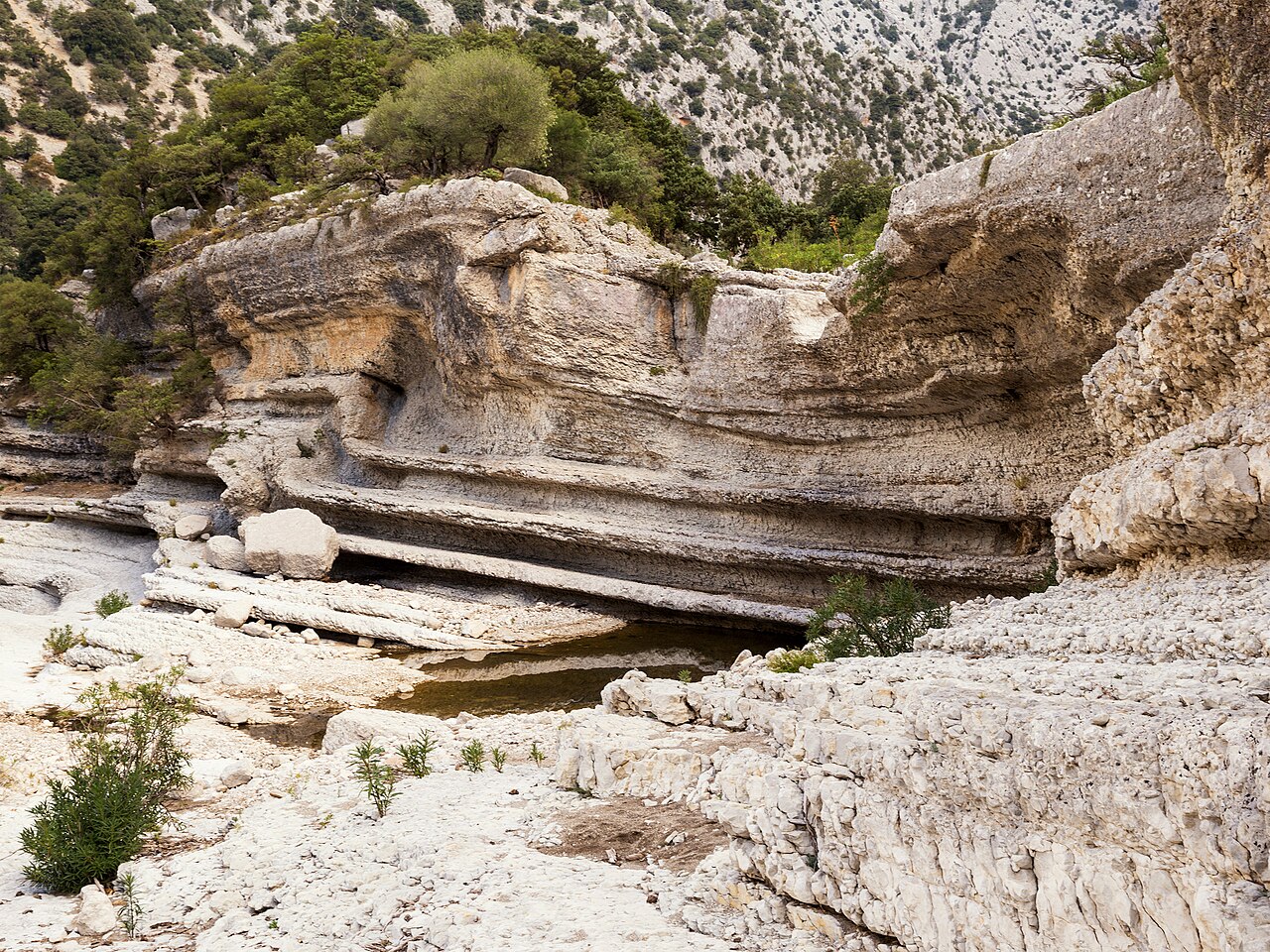
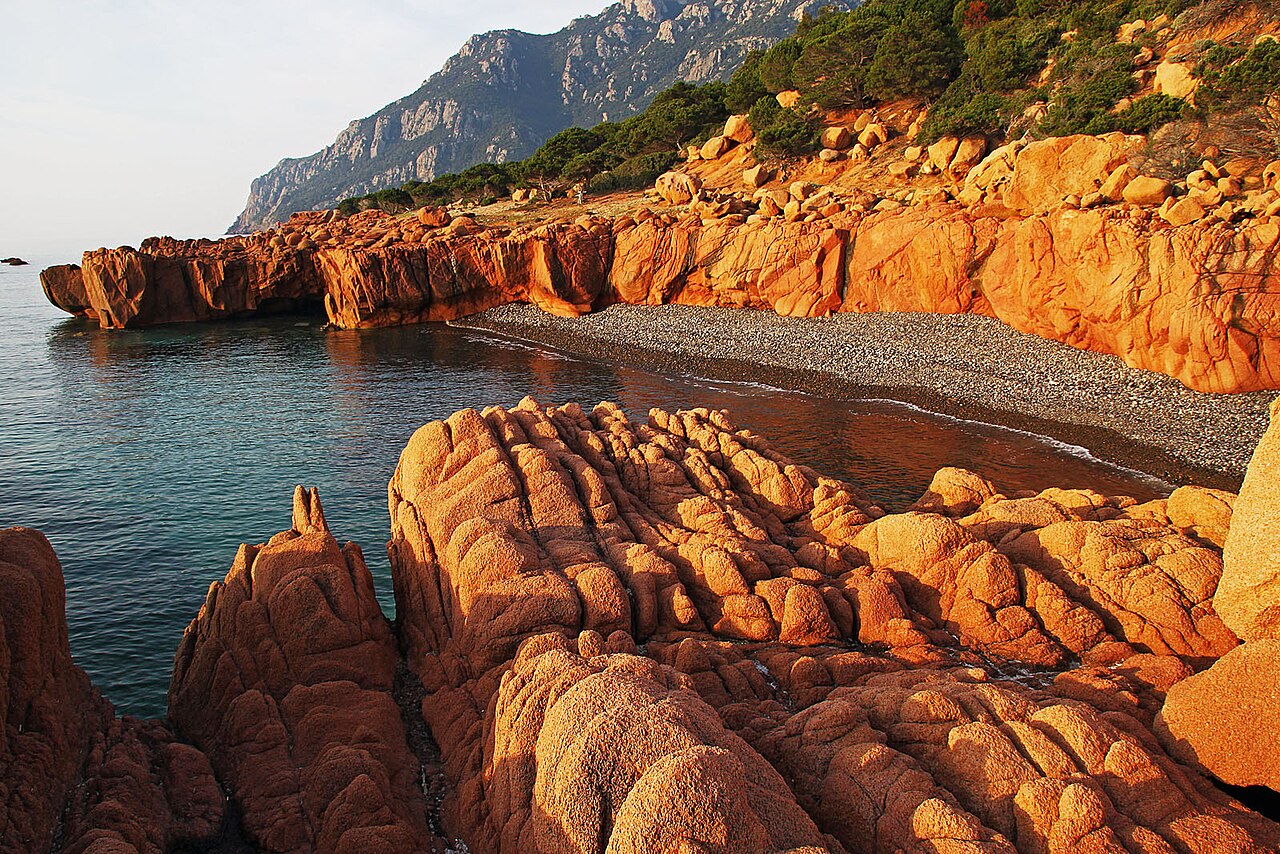
Limestone, Mediterranean maquis, ancient junipers and coastal lagoons: four environments coexisting within a few kilometres.
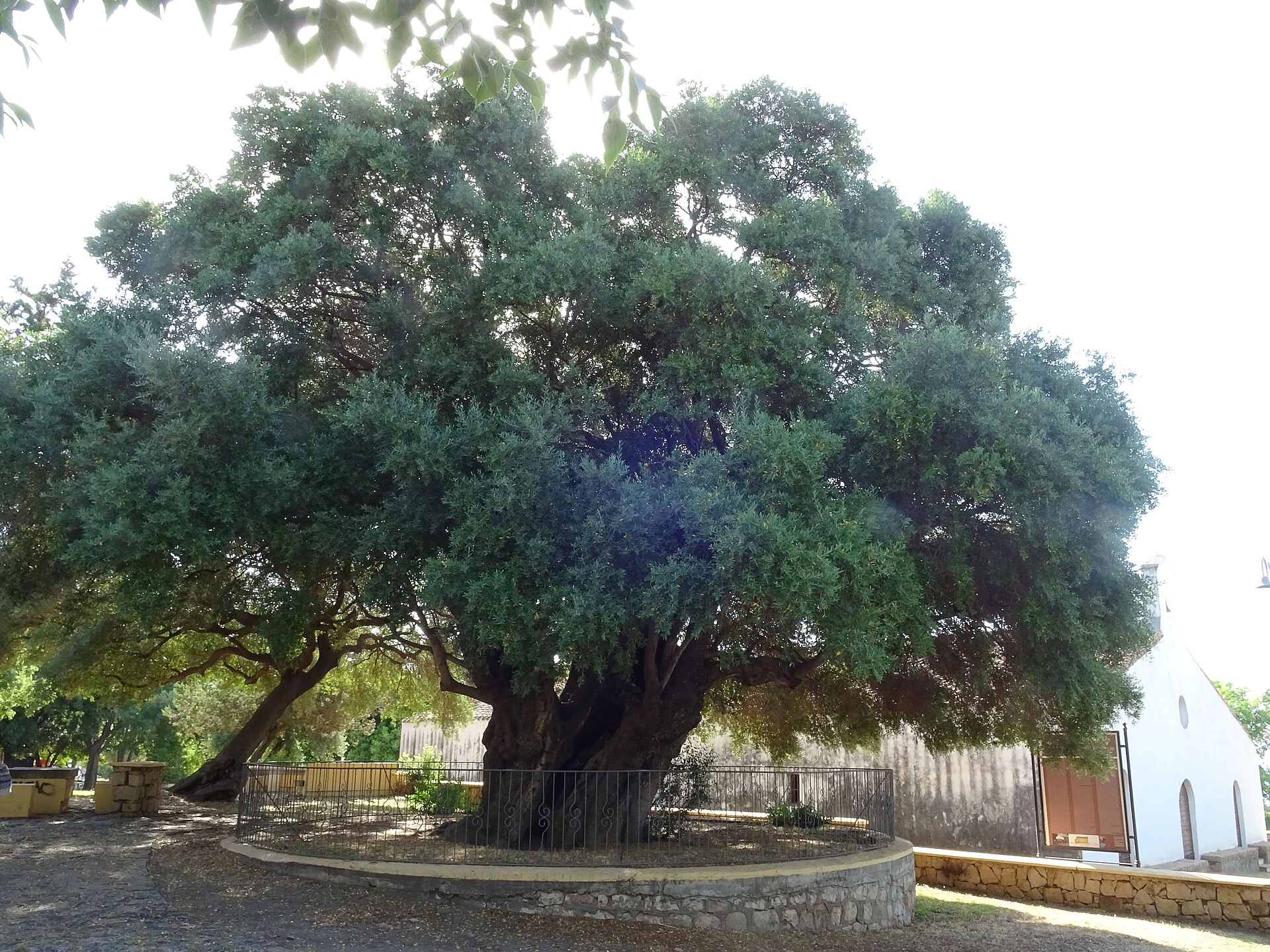
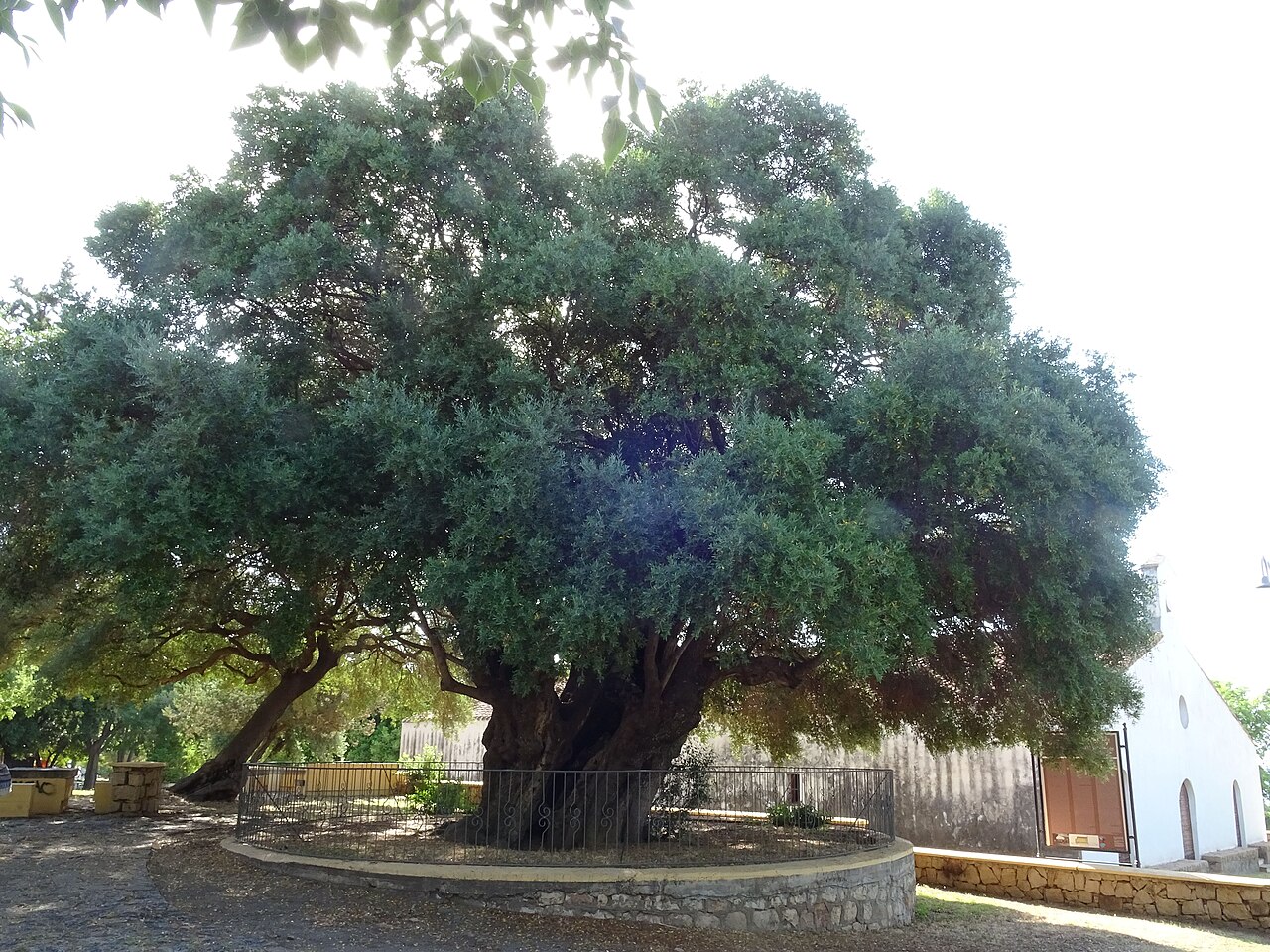
Centuries-old wild olive by the church of Santa Maria Navarrese, Baunei — Photo: Aggrucar · CC BY-SA 4.0 · Wikimedia Commons
The natural interest of the east coast lies not in a single species or park but in compression. Within a few dozen kilometres you pass from lagoon environments to basalt tablelands, from limestone cliffs to holm-oak woods.
The Golgo plateau above Baunei is the clearest example: basalt, wind-shaped junipers and the Su Sterru shaft, one of the deepest in Europe.
The essential answers
- Where is it?
- The Golgo plateau, the Supramonte, the Tortolì lagoons, the shorelines of Lotzorai and Cardedu.
- When to go?
- Spring for the flowering maquis; winter for birdlife in the coastal lagoons.
- Where to stay?
- Nature outings mean awkward hours. A rural base such as I Mandorli, at Triei, makes them workable.
From this section
Where to stay
A base for exploring east Sardinia
Nature outings mean awkward hours. A rural base such as I Mandorli, at Triei, makes them workable.