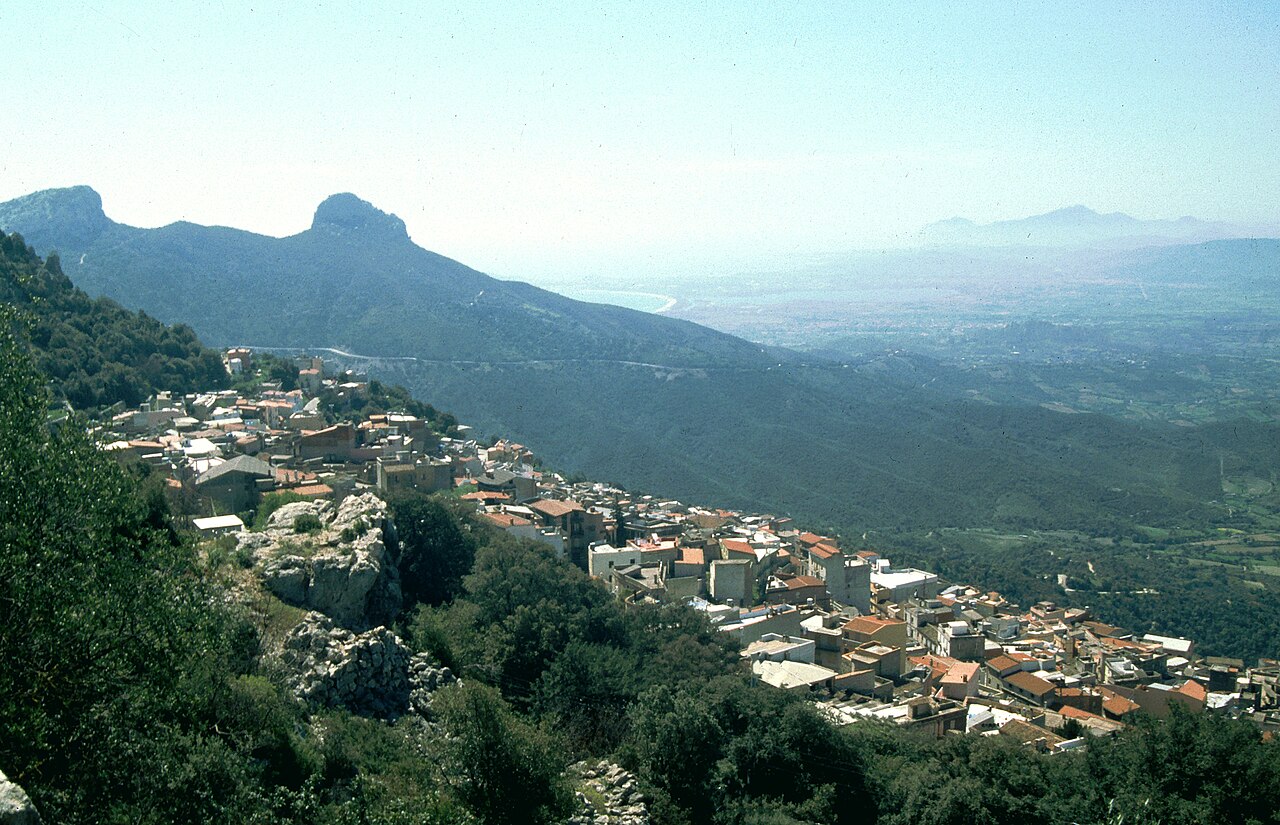
Baunei's coastal village

Santa Maria Navarrese

Ancient olive trees, a Spanish watchtower and the harbour where boats leave for the Gulf of Orosei.

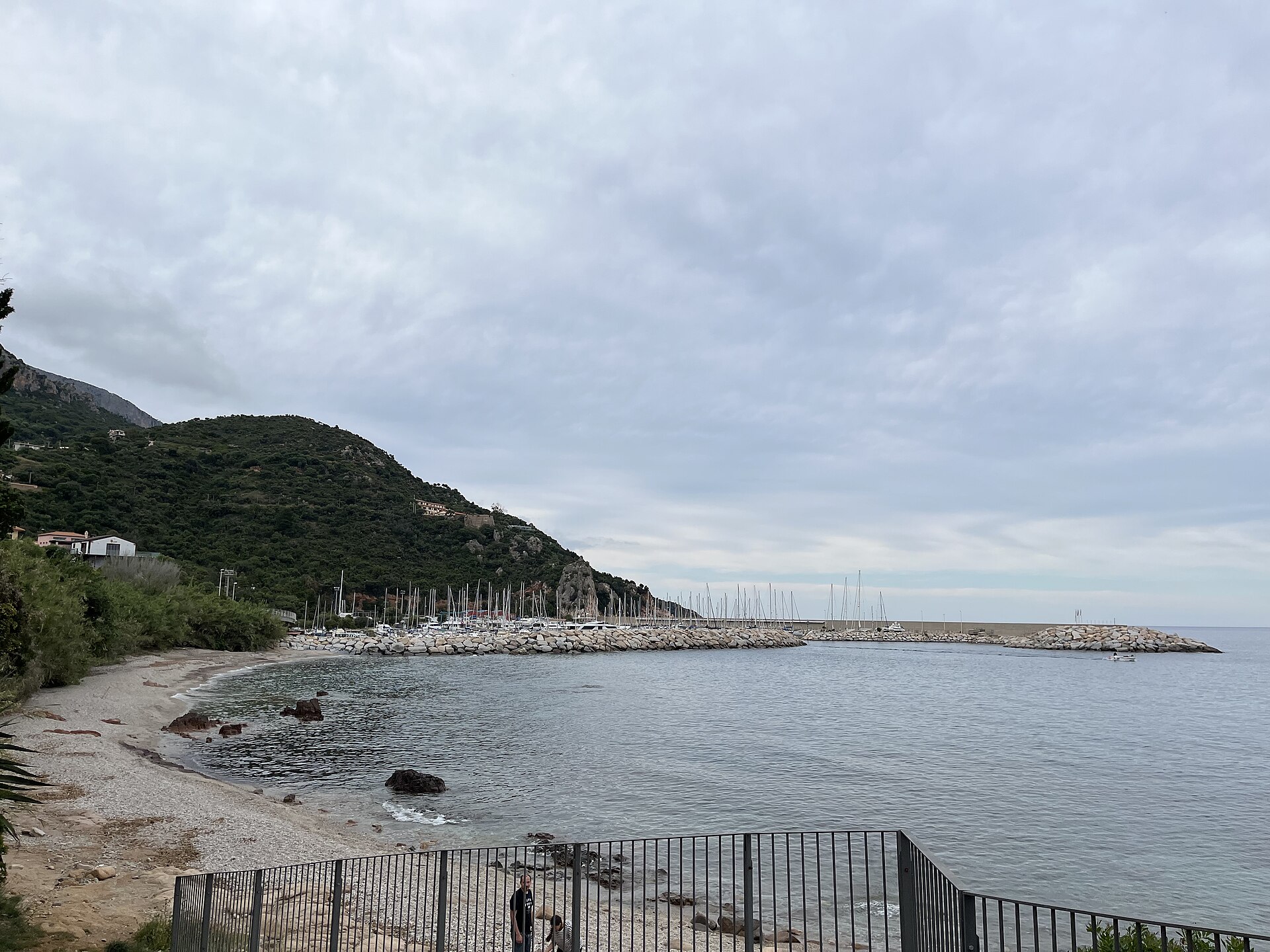
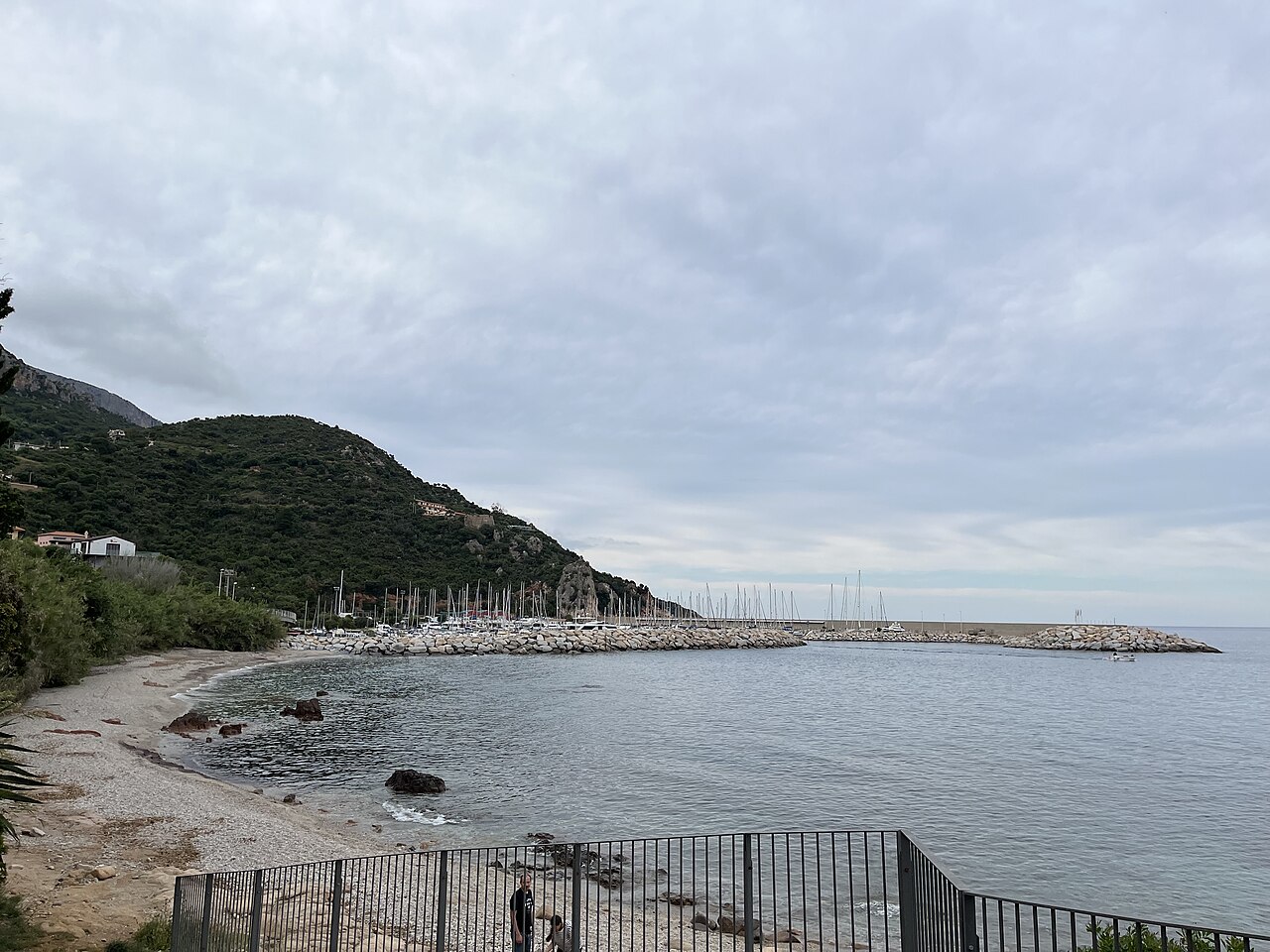
The marina at Santa Maria Navarrese seen from the beach below the tower

The marina at Santa Maria Navarrese seen from the beach below the tower — Photo: Air fans · CC0 · Wikimedia Commons

Santa Maria Navarrese grew around a church and a cluster of olive trees which local signage describes as a thousand years old — a claim worth verifying, but one that captures the relationship between this stretch of coast and its vegetation. A Spanish-era coastal tower closes the beach to the south.

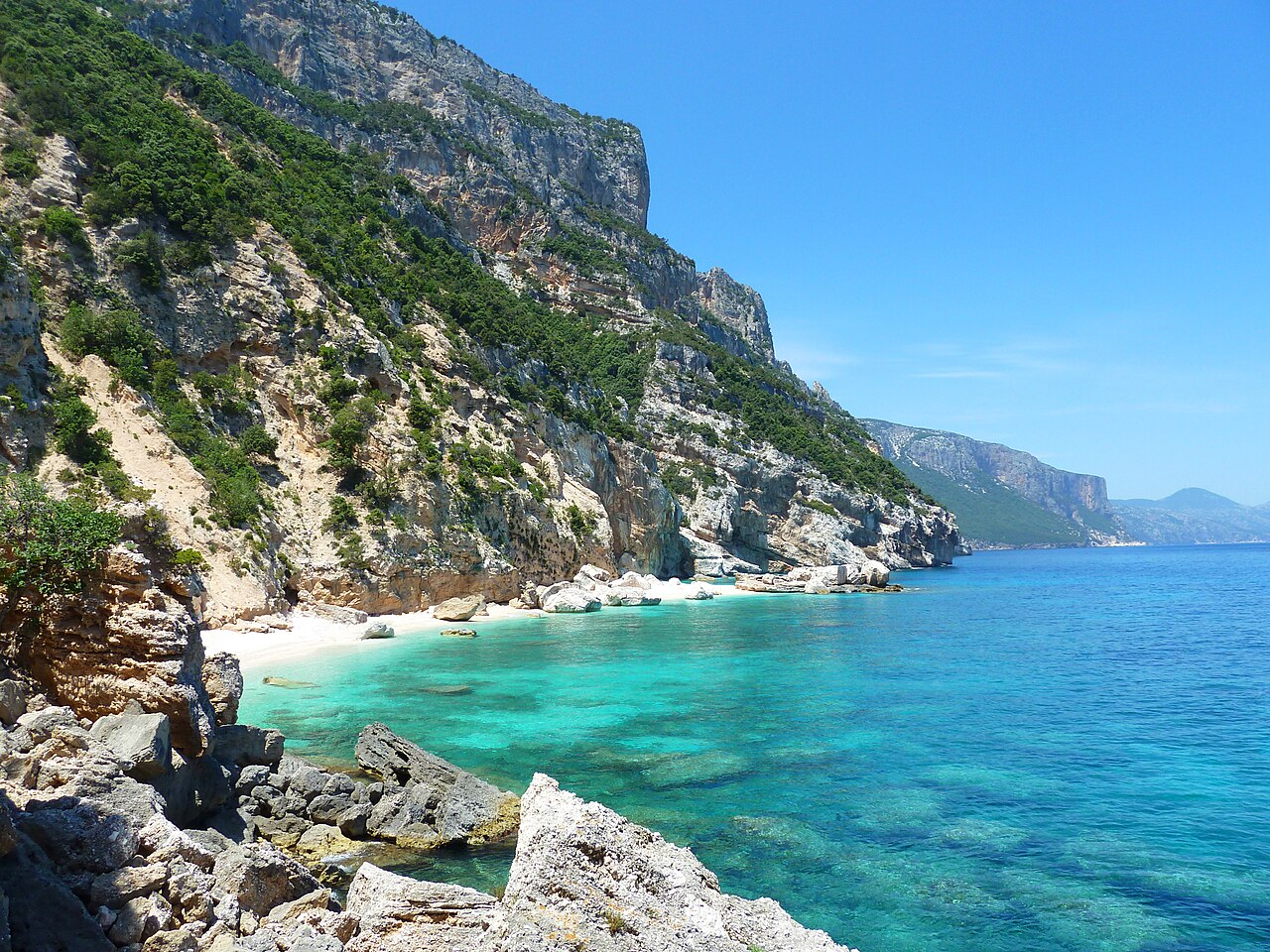
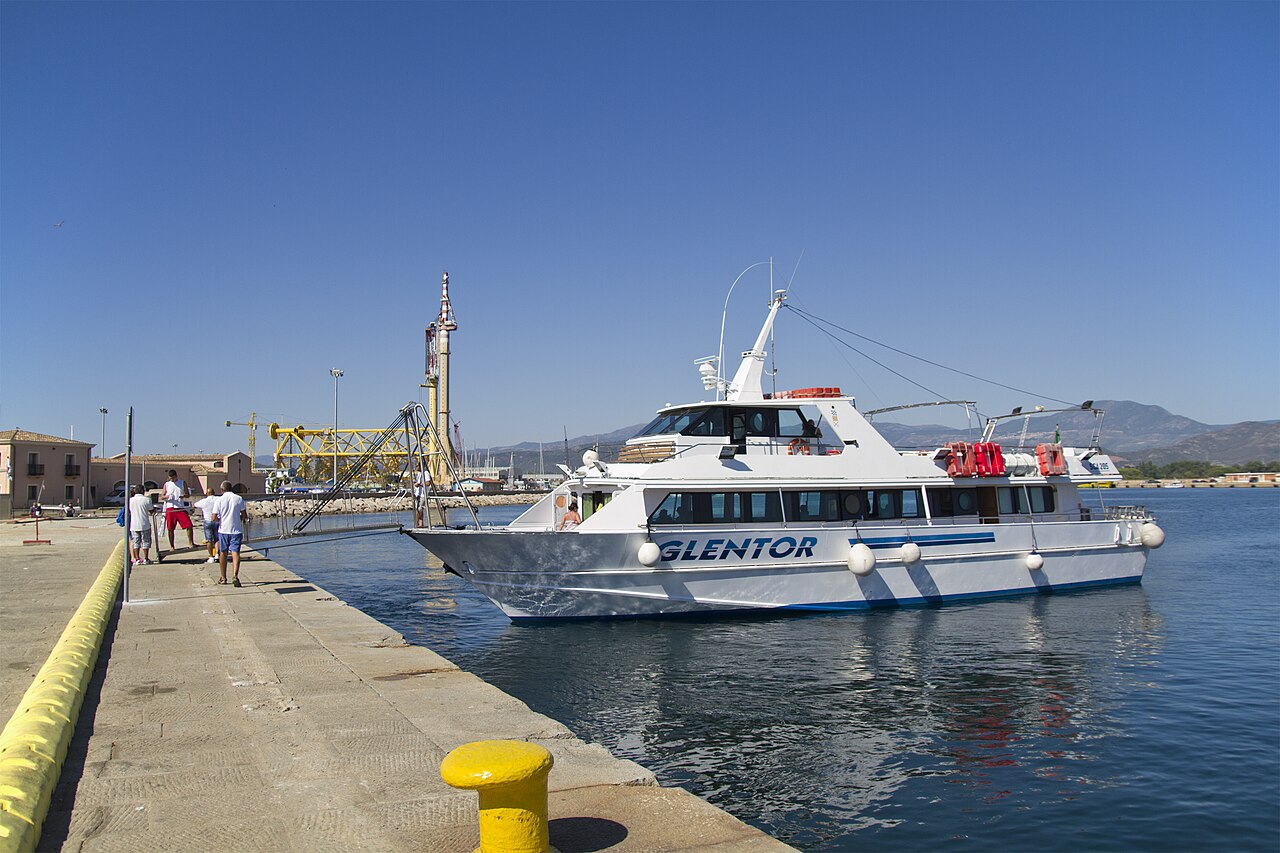
Visitors who come for the sea tend to stay on the beach. Those who come to understand the coast use the harbour instead: dinghies and boats leave Santa Maria northwards for Cala Mariolu, Cala Biriala and Cala Goloritzé — the only way to see the cliff front of the Gulf of Orosei in sequence.
The essential answers

What is it?
A coastal settlement, part of the municipality of Baunei, with a beach, pine grove, a small marina and a historic church surrounded by olive trees.
Where is it?
On Sardinia's east coast, at the foot of the Baunei slope, at the southern end of the Gulf of Orosei.
Why visit?
This is where the coast changes character: sandy plain to the south, roadless cliffs to the north. Most boat excursions to the coves depart from here.
How do you get there?
By car from the eastern trunk road.
When to go?
May to October for swimming; June and September to combine sea and walking without the summer peak.
What is nearby?
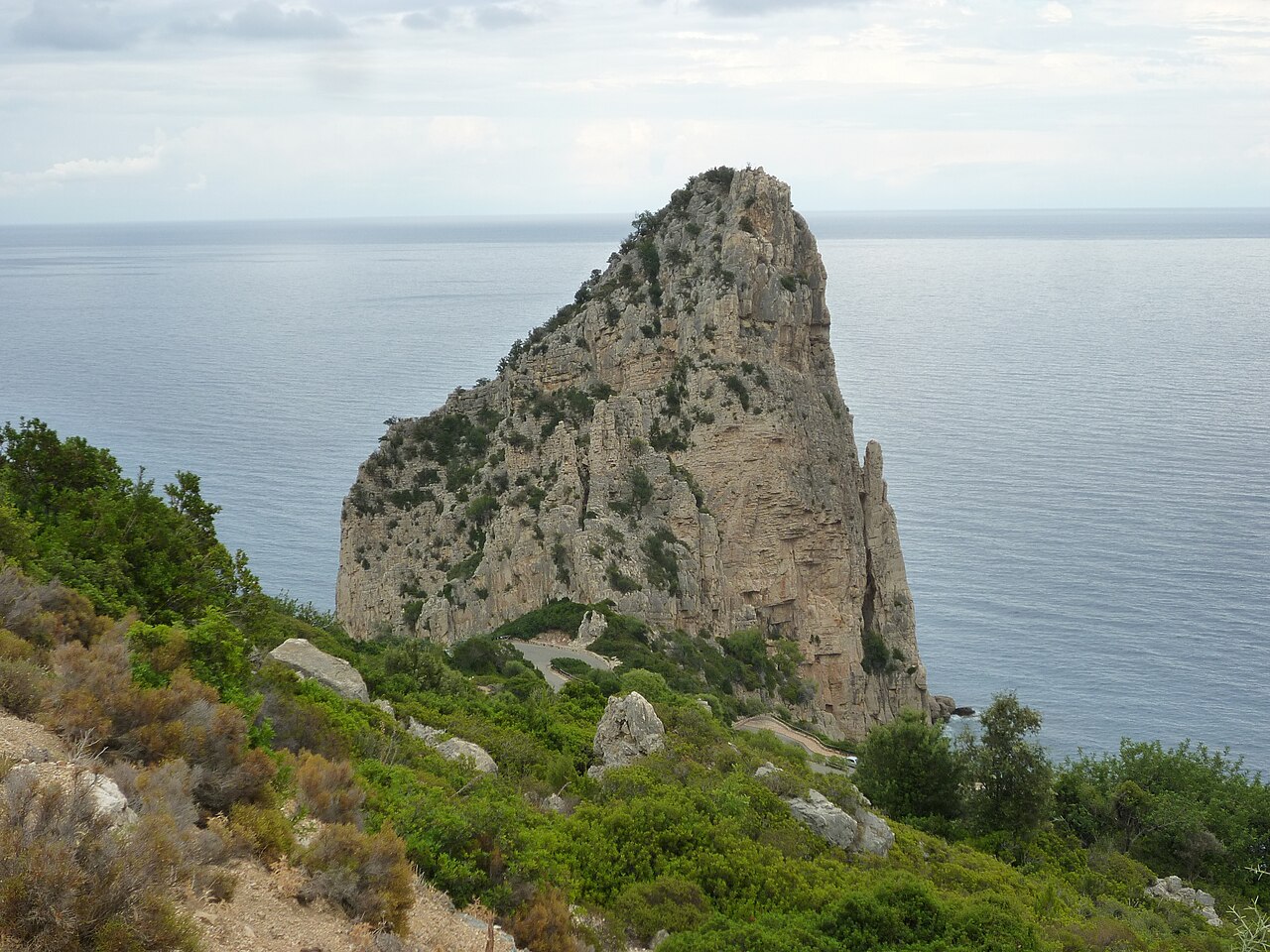
Pedra Longa, Baunei, Lotzorai, Triei, Cala Goloritzé (by sea or trail).
Where to stay?
I Mandorli, inland at Triei, is a short drive from the harbour and lets you return in the evening away from coastal traffic.
The marina at Santa Maria Navarrese seen from the beach below the tower

Where to stay

A base for exploring east Sardinia

I Mandorli, inland at Triei, is a short drive from the harbour and lets you return in the evening away from coastal traffic.